Booking choice: The 15-day Kailash tour from Lhasa, 15 days. Book this Tour details
Lake Manasarovar is at about 4,590 m (15,060 ft). Darchen is 4,670 m. The kora sleeps at Dirapuk (about 5,210 m) and crosses the Dolma La at about 5,630 m. Few travellers have slept that high before, and many arrive from the plains in a matter of days.
This guide draws on the CDC Yellow Book 2026 chapter on altitude illness. It is general information, not medical advice: see a doctor who knows travel medicine before you book, and sooner if you have heart or lung problems.
The quick answer
Air at the lake holds about 56 to 57% of the oxygen at sea level; on the Dolma La, about 49 to 50%. Acute mountain sickness (headache plus nausea, dizziness or fatigue) is common. HAPE and HACE are rare and dangerous. The CDC rule: above 3,000 m, raise your sleeping height by no more than 500 m a day, with a rest day every 1,000 m. Trips from Lhasa with three days there and slow stages west follow that best. Flying straight to Burang (4,250 m) or racing up from Nepal does not. Get insurance that covers helicopter evacuation.
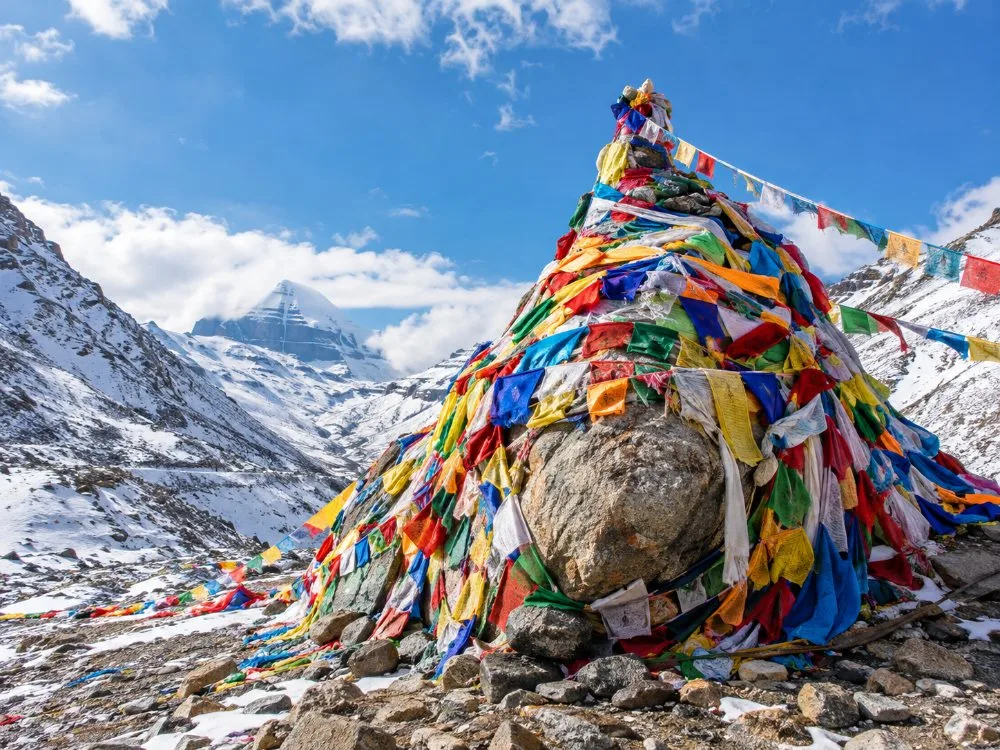
What is the oxygen level at Kailash Mansarovar?
About 56 to 57% of sea level at the lake, about 53% at 5,000 m and about 49 to 50% on the Dolma La pass.
The air is still 21% oxygen. What changes is the pressure, so each breath brings in less. These are standard barometric approximations (oxygen altitude chart):
| Place | Altitude | Oxygen vs sea level |
|---|---|---|
| Lhasa | 3,650 m | About 65% |
| Shigatse | 3,840 m | About 63% |
| Burang airport | 4,250 m | About 59% |
| Lake Manasarovar | About 4,590 m | About 56 to 57% |
| Darchen | 4,670 m | About 56% |
| Dirapuk | About 5,210 m | About 52% |
| Dolma La | About 5,630 m | About 49 to 50% |
Guides carry pulse oximeters, and many travellers bring their own. A reading in the 80s at the lake is common and not alarming on its own. A falling reading together with symptoms is what matters.
What are the signs of altitude sickness?
Headache plus nausea, dizziness, loss of appetite or tiredness is acute mountain sickness. Confusion, a stagger, or breathlessness at rest are emergencies.
- AMS: headache with at least one other symptom. It usually starts 2 to 12 hours after arriving higher, often the first night, and fades in 12 to 48 hours if you do not climb further.
- HACE (brain swelling): confusion, drowsiness, unsteady walking. Test it with a heel-to-toe line. It can lead to coma within 24 hours.
- HAPE (fluid on the lungs): a cough, chest congestion, unusual breathlessness on effort, then breathlessness at rest and sometimes pink or bloody sputum.
The CDC rule is plain: never go higher to sleep with symptoms, even mild ones, and descend if they get worse. For HACE or HAPE, descent is urgent. On the kora, descent means turning back to Darchen or continuing over the pass only if it is the faster way down. Your guide will make that call; listen to them.
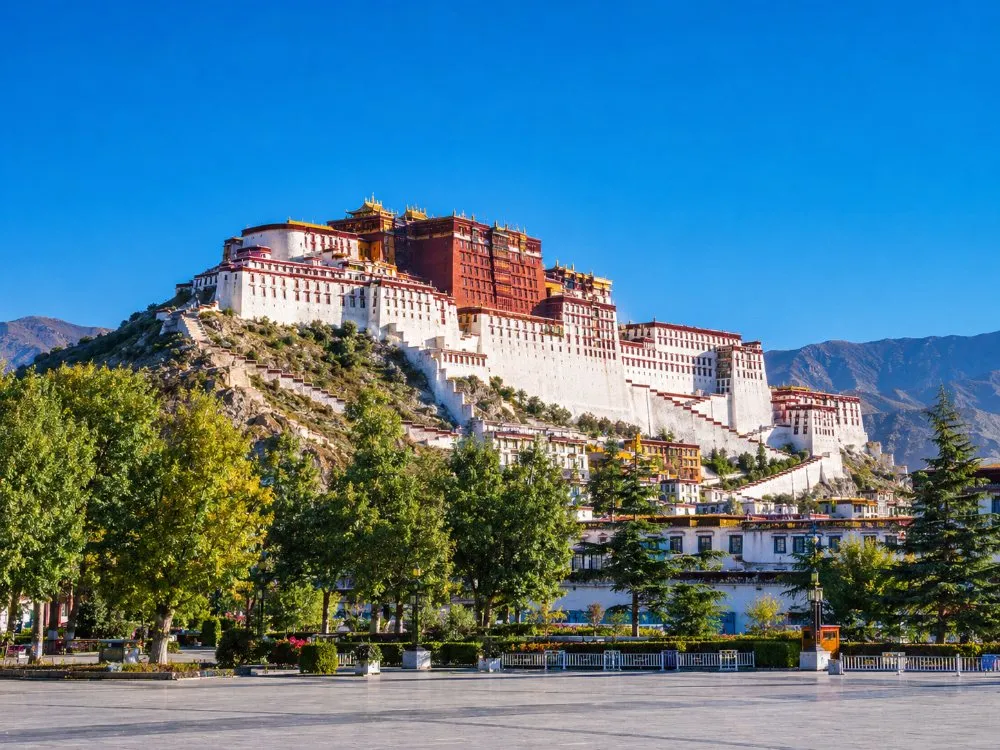
The tour with time built in: three nights in Lhasa, then slow stages west to the lake.
Book thisHow do you acclimatise for Kailash?
Go up slowly. Spend about three days in Lhasa, then sleep at Shigatse, Saga and the lake before you start the kora. Drink water, skip alcohol early on and walk slowly.
The CDC advice, applied to this trip:
- Above 3,000 m, add no more than 500 m of sleeping height a day. Lhasa (3,650 m) to Shigatse (3,840 m) to Saga (about 4,600 m) breaks this rule once, which is why good itineraries add a night at Lhatse or a rest day.
- A rest day for every 1,000 m. A night at the lake or at Darchen before the kora is that rest day.
- No alcohol for the first 48 hours, and no sleeping pills or opiates at altitude.
- Acetazolamide (Diamox): the CDC dose for prevention is 125 mg every 12 hours, starting the day before ascent. It is a prescription drug; ask your doctor.
Pre-trip fitness helps you enjoy the kora but does not protect you from AMS. Fit young people get it too, often because they go up too fast.
Is flying to Burang or coming from Nepal riskier?
Yes, for altitude. Both get you above 4,000 m within a couple of days of leaving low ground, against about a week on the Lhasa route.
Lhasa to Burang by air is a jump from 3,650 m to 4,250 m in about two hours, and the lake is higher again. The Simikot and Hilsa route goes from Nepalgunj near sea level to Simikot (about 2,900 m), then to the lake at 4,590 m in about two days. In July 2018 one Indian pilgrim died of suspected altitude sickness in Simikot and another of a heart attack in Tibet (Business Standard).
If you take a fast route, add rest days near the lake before the kora. The routes guide compares the options.
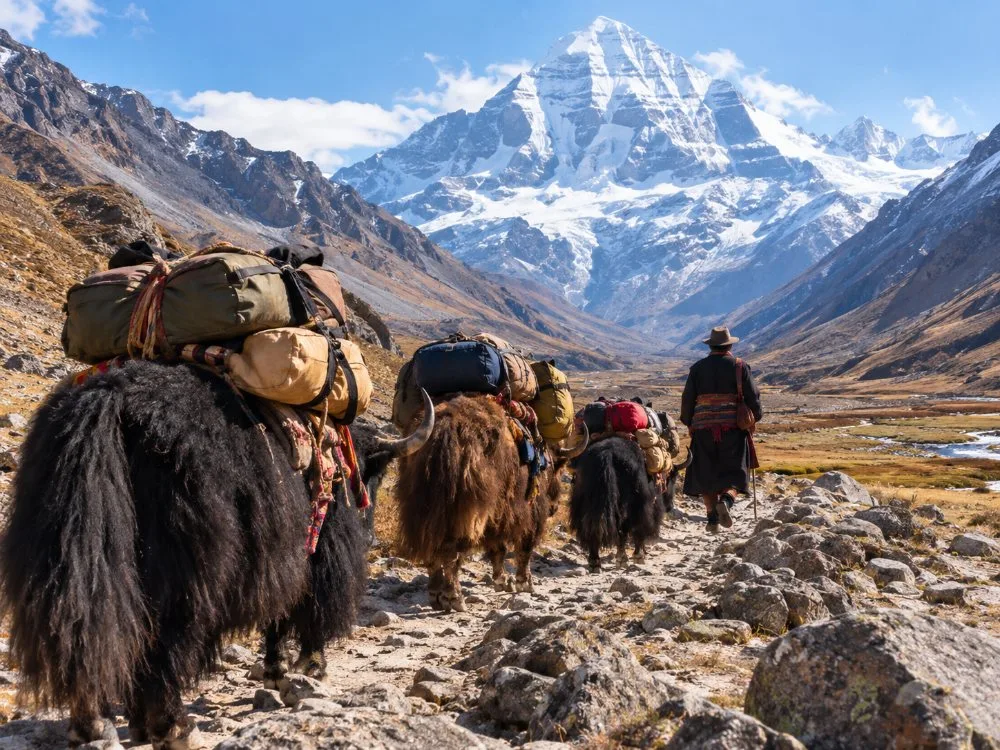
How risky is the Kailash Mansarovar Yatra?
The serious risks are altitude illness, weather and road or border disruption. Deaths do happen, but no official yearly figure exists, and claims of fixed annual numbers are guesses.
No official yearly death toll is published. What is documented: altitude illness and heart problems among pilgrims (2018), mass stranding by weather (1,500 people in 2018), floods on the Nepal route (2025 and 2026; about 384 pilgrims were briefly out of contact after the August 2026 flood), and early snow closures (September 2026).
Most risk is set before you leave home: your health, your route speed, your insurance. The MEA yatra rules out people with heart disease, asthma, diabetes and high blood pressure, and caps BMI at 25. Even on a private tour, take those as a warning, not a box to tick. Buy insurance that names Tibet, covers 5,700 m and includes helicopter evacuation.
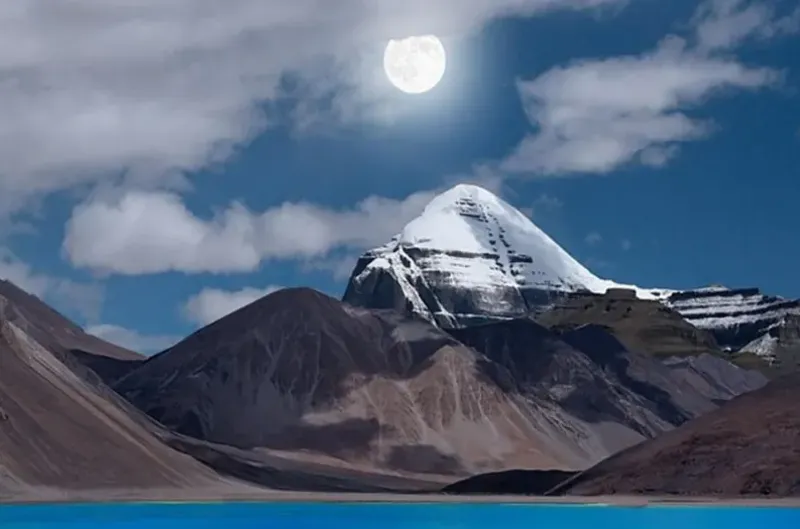
Slow is safe: two weeks from Lhasa, with acclimatisation days before the kora.
Book this Tour detailsHow hard is the Kailash kora?
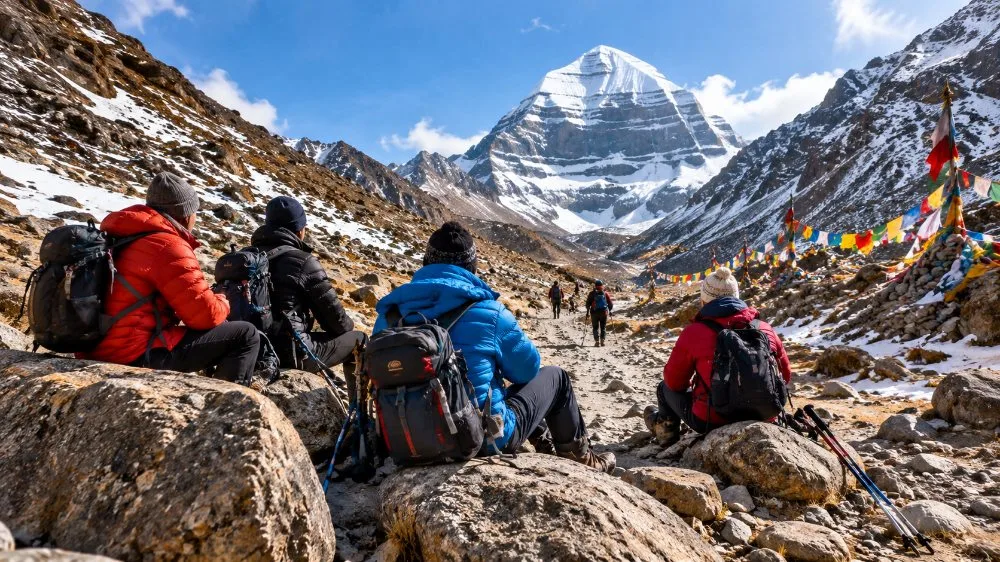
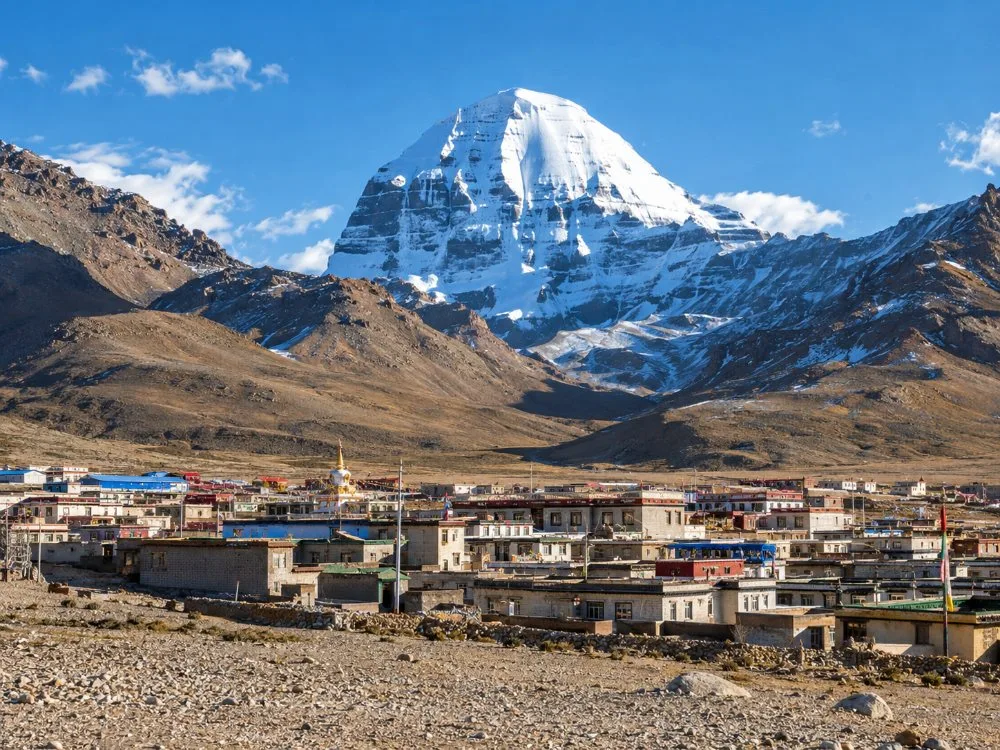
Hard, mostly because of height. The 52 km takes three days; day two climbs from about 5,210 m to the Dolma La at 5,630 m and covers about 24 km.
Day one, Darchen to Dirapuk, is about 13 km of gentle valley with the west face above you. Day two starts in the dark, climbs about 400 m to the pass, drops steeply past Gauri Kund, then runs a long 13 km down to Zutulpuk. Day three is about 12 km out to the road (Tibet Vista stages). Tibetan pilgrims often walk the whole thing in a single day. Visitors should not try.
Ponies with a horseman are available in Darchen if you cannot walk it; book through your guide. There is no vehicle access between Dirapuk and Zutulpuk, so plan with that in mind.
The kora with acclimatisation built in: 15 days from Kathmandu, with time on the plateau before the Dolma La.
Book thisIs Kailash harder than Everest Base Camp?
The kora goes higher than either Everest base camp and has a tougher day. On the Tibet side you can drive to Everest Base Camp; you cannot drive the kora.
The Tibet Everest Base Camp at Rongbuk is about 5,150 m and reached by road. The Nepal base camp trek ends at about 5,364 m over many days. The Dolma La at about 5,630 m beats both, and you walk to it. A night near 5,000 m at Everest before Kailash is good preparation, but no tour on this site combines the two. If you want both, do the Everest Base Camp and Namtso tour as a separate trip, ideally first.
Frequently asked questions
What is the oxygen level at Mount Kailash?
About 56% of sea level in Darchen at the foot of the mountain and about 49 to 50% on the Dolma La pass. Nobody goes to the summit.
Can I do Kailash Mansarovar with high blood pressure?
The MEA yatra excludes it, along with heart disease, asthma and diabetes. On a private tour, ask a travel medicine doctor first. Altitude raises the strain on heart and lungs.
Do tour guides carry oxygen?
Most Tibet operators carry bottled oxygen in the vehicle and a pulse oximeter. Oxygen buys time; descent is the treatment.
How many people die on the Kailash yatra every year?
There is no official yearly figure. Deaths are reported in some seasons, mostly from altitude illness and heart problems. Go slow, be honest with your doctor and carry evacuation insurance.
Ready to book
Choose your tour
Each operator arranges its own guide and transport; check the listing for permits, dates and cancellation terms.
15-Day Kailash & Manasarovar Small Group
- Starts in Lhasa, small group
- Lake Manasarovar on the route
- The Mount Kailash trek (kora)
Kailash Mansarovar Yatra from Kathmandu, 15 Days
More days to acclimatise on a yatra from Nepal
Lhasa, Everest Base Camp & Namtso, 9 Days
Tibet in nine days, without Kailash